-
ABN - 32615456561
MECHANICS LICENCE- MVRL53738
AIR CONDITIONING LICENCE- AU42871
- (02) 9699 8831
36-42 Henderson Road,
Alexandria, New South Wales, Australia
ABN - 32615456561
MECHANICS LICENCE- MVRL53738
AIR CONDITIONING LICENCE- AU42871
36-42 Henderson Road,
Alexandria, New South Wales, Australia
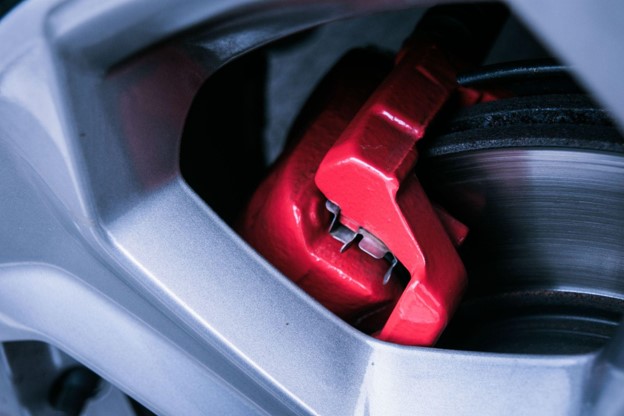
Your brakes are easily one of, if not the most important safety system in any vehicle. However, like any mechanical component, brake parts naturally wear out over time and can develop problems, especially if they aren’t maintained or replaced on a regular basis.
Luckily, your vehicle will provide you with a range of warning signs when something isn’t quite working as it should. While some symptoms may seem minor at first, ignoring them can turn a small issue into a more expensive repair. In more serious cases these issues can compromise your ability to stop safely.
If you notice anything unusual when braking, don’t wait for the problem to get worse. Have your vehicle inspected by a qualified mechanic who can identify the cause and recommend the appropriate repairs.
With this in mind, let’s get into 5 warning signs it’s time to book your car in for immediate brake repairs.
The first and most obvious sign that your brakes need to be replaced is hearing a grinding or high-pitched squealing sound when you tap the brakes.
Most modern brake pads in passenger vehicles are designed with a wear indicator that makes a noise to alert you that they are starting to wear thin.
If you start to hear a grinding or metal-on-metal sound when hitting the brake pedal, this is a tell-tale sign that the brake pads are completely worn out and the rotors may be damaged. If you hear these sounds, book your car in immediately and get your brakes checked.
Unusual noises coming from your brakes should not be ignored. The longer you leave them, the greater the increase in repair costs.
When your brake pads start to wear thin, the brake warning light or ABS light on your dashboard lights up to tell you that there is an issue within the braking system.
However, just because the symbol is lit up, it doesn’t necessarily mean that there is a major issue with your brakes.
Aside from worn brake pads, some of the most common reasons why the brake warning light illuminates include:
Never ignore dashboard warnings. If you aren’t sure as to why the brake warning light appears, book your car in for an inspection. If the ABS warning light appears, there may be a problem with your vehicle’s anti-lock braking system, which can affect your car’s safety.
Have the system inspected by a qualified mechanic, like the team at Alexandria Automotive as soon as possible so we can diagnose the issue and determine whether repairs are needed.
A brake pedal that feels soft, spongy or sinks closer to the floor more than usual can indicate that there is a problem with your braking system. Common causes include air trapped in the brake lines, low brake fluid or a brake fluid leak. In more serious cases, it may indicate a failing master cylinder.
Because these issues can reduce braking performance and increase stopping distances, they should never be ignored. If you notice that your brake pedal is softer than usual, book your vehicle in and have it inspected by a qualified mechanic as soon as possible.
At Alexandria Automotive, our mechanics will identify the cause of the problem and ensure your brakes are operating safely.
If your steering wheel, brake pedal or vehicle vibrates or shudders when you apply the brakes, it may be a sign that there is an issue with the braking system.
One common cause is warped or unevenly worn brake rotors, which can develop after repeated exposure to excessive heat, heavy braking or prolonged braking, particularly when driving in demanding conditions such as steep or hilly areas.
You may notice the vibration more when braking at higher speeds. In some cases, the steering wheel may shake or pulse, while the brake pedal may feel as though it is pushing back against your foot. These vibrations can make braking feel uneven and affect your ability to stop smoothly and safely.
Vibrations can also be associated with other brake or suspension issues, so it is important not to assume that warped rotors are always the cause. Continuing to drive with persistent brake vibration can further wear out your brakes, leading to increased repair costs.
If you notice repeated vibration when braking, have your vehicle inspected by the team at Alexandria Automotive as soon as possible.
If your car pulls or veers to one side when you apply the brakes, it could mean there’s an issue with the braking system. Common causes include uneven brake pad wear, a sticking or seized brake calliper, contaminated brake components or uneven braking pressure between the wheels.
This can make the vehicle more difficult to control, particularly during sudden braking or when driving at higher speeds. Continued driving may also contribute to uneven tyre wear and place additional strain on other braking and suspension components.
If you notice your vehicle consistently pulling to one side when braking, have the brakes inspected by a qualified mechanic as soon as possible. Booking your car in for urgent repairs can restore balanced braking performance, improve handling and help prevent further damage.
As well as the 5 signs mentioned above, there are a couple of other warning signs to look out for when your brakes start to wear thin.
If your car takes longer to stop than usual, this may be a sign of worn brake pads, low or contaminated brake fluid, or other braking system issues. This problem can develop gradually, making it easy to overlook until braking performance is noticeably reduced.
If you notice a slower braking response, reduced stopping power or brake fade, have your vehicle inspected by a qualified mechanic at Alexandria Automotive right away. Reliable braking performance is essential for safe driving, particularly in wet weather, steep areas or emergency situations.
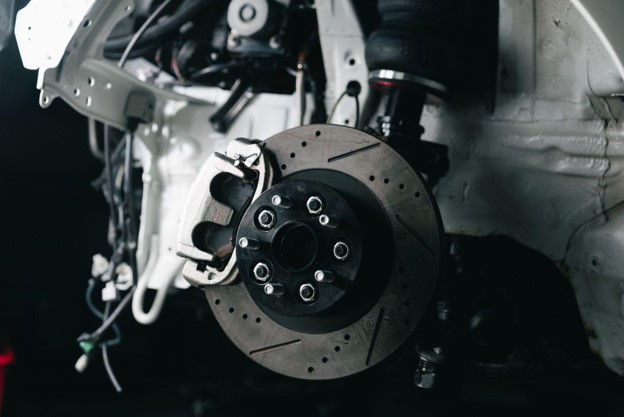
A strong burning or chemical smell after braking can indicate that your brakes are overheating. This may occur after heavy braking, driving down steep hills, towing or carrying heavy loads. A sticking brake pad, seized calliper or leaking brake fluid can also cause a burning odour.
If you notice a strong smell, a soft brake pedal or some serious cases, smoke, pull over safely and allow the brakes to cool.
Once the smell or smoke has subsided, take the vehicle to a qualified mechanic at your BMW service centre in Waterloo as soon as possible before continuing to drive, as overheating can reduce braking performance and cause further damage.
Brake pads don’t have a set replacement interval, but for most modern passenger vehicles, they typically last between 30,000 km and 70,000 km. However, their lifespan can vary depending on driving habits, road conditions, vehicle use and how often you have your car serviced.
Frequent stop-start driving, such as commuting through busy city streets, can cause brake pads to wear faster because of the constant braking and acceleration. On the flip side, cars that are driven mainly on open roads and highways may experience less brake wear.
The way a vehicle is used also makes a difference. Regular towing, carrying heavy loads or driving in steep or hilly areas places additional pressure on the braking system and can shorten brake pad life.
Brake pad quality can also affect how long they last. While higher-quality pads may provide better durability and consistent performance, the most suitable pads will depend on your vehicle and manufacturer’s requirements.
Rather than relying solely on mileage, it’s important to have your brakes checked regularly. A mechanic at your local Mazda service centre in Redfern can measure brake pad thickness and identify uneven wear or other issues.
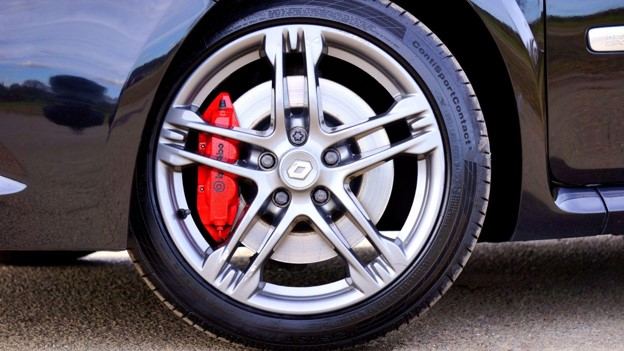
Brake problems rarely resolve on their own and can become more serious over time if left unchecked. Getting on top of issues early can help prevent costly repairs while ensuring your vehicle remains safe and reliable on the road.
If you’ve noticed unusual noises, vibrations, reduced braking performance, a soft pedal or any other warning signs, it’s time to have your brakes checked.
Book a brake inspection with Alexandria Automotive today by calling (02) 9699 8831 anytime Monday to Friday between 7:30am to 5:30pm.
Whether you need a Toyota service in Waterloo or a or brake repairs in Redfern, our experienced mechanics will assess your braking system, identify any issues and provide honest, expert advice to keep your vehicle stopping safely and smoothly.
 Need Help?