-
ABN - 32615456561
MECHANICS LICENCE- MVRL53738
AIR CONDITIONING LICENCE- AU42871
- (02) 9699 8831
36-42 Henderson Road,
Alexandria, New South Wales, Australia
ABN - 32615456561
MECHANICS LICENCE- MVRL53738
AIR CONDITIONING LICENCE- AU42871
36-42 Henderson Road,
Alexandria, New South Wales, Australia
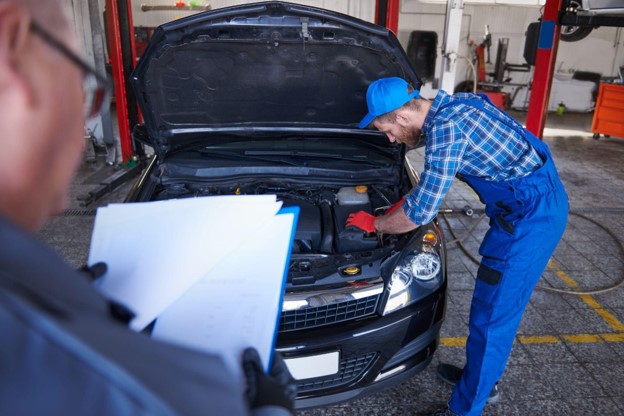
Buying a used car can be an exciting experience. You may find a vehicle that looks great, has a reasonable price and appears to have been well maintained. After a test drive, it can be tempting to make an offer immediately.
What you might not know is that a vehicle can look clean on the outside while hiding mechanical, electrical or structural problems underneath.
This is why booking a professional car inspection before buying a used vehicle is one of the best decisions you can make.
Whether you’re purchasing from a private seller or dealership, here’s why you should never buy a used car without having it professionally inspected.
A test drive is useful, but it only tells you part of the story. You might notice that the car starts easily, accelerates smoothly and doesn’t make any obvious noises. However, many mechanical problems aren’t immediately noticeable during a short drive.
A professional inspection goes much further. An experienced mechanic can assess key components and look for signs of wear, damage, previous repairs or potential problems.
Depending on the inspection, this can include the:
This gives you valuable information that you can’t get from looking at photographs or taking a 10-minute test drive.
One of the biggest advantages of a professional inspection is that it can uncover problems that aren’t immediately visible.
During an inspection, you mechanic may find that the vehicle may have:
Not every problem will necessarily mean you should walk away from a vehicle. Some issues may be relatively minor and can be factored into your purchasing decision.
When you purchase a vehicle without a professional inspection, you’re making a major financial decision without having a clear understanding of its mechanical condition.
One of the most serious concerns is engine damage. Engine problems may not always be obvious during a short test drive, but they can eventually lead to poor performance, excessive oil consumption or complete engine failure.
Transmission problems are another concern. Worn or damaged transmission components can cause difficulty changing gears, slipping, unusual noises or poor vehicle performance.
Brake system problems should also never be overlooked. Worn brake pads, damaged rotors or other braking issues can affect the vehicle’s safety and may require immediate attention. A professional inspection can help identify components that are worn or approaching the end of their service life.
Suspension problems can affect ride comfort, handling and tyre wear. Issues with shocks, struts, bushes or other suspension components may not be obvious to an inexperienced buyer but can become costly if multiple components require replacement.
Electrical faults can be particularly frustrating because they may appear intermittently. Problems with sensors, wiring, batteries, charging systems or other electronic components can be difficult to diagnose once you’ve purchased the vehicle.
Previous accident damage is another important factor. A vehicle may have been repaired and look perfectly presentable while still having underlying structural or mechanical issues.
These are precisely the types of problems a buyer wants to identify before handing over their money.
The exact inspection process will depend on the vehicle and the type of inspection being performed. Generally, your mechanic will assess the vehicle’s overall condition and inspect major mechanical and safety components.
This can include checking for visible signs of wear, leaks, damage and deterioration, as well as assessing how different components are functioning.
A diagnostic scan may also be appropriate for modern vehicles, as electronic systems can store fault information that isn’t always visible from the dashboard.
Your mechanic can then provide an assessment of the vehicle’s condition and show you areas that may require attention.
It’s important to understand that an inspection isn’t a guarantee that a vehicle will never experience a problem as some faults can develop after an inspection.
It’s easy to be influenced by a vehicle’s appearance. A freshly washed car with polished paint, clean wheels and a spotless interior can create the impression that it has been carefully maintained.
A seller may have professionally detailed a vehicle shortly before listing it. That doesn’t necessarily indicate anything about the condition of the engine, transmission, suspension or electrical systems.
Even a well-presented vehicle with a genuine owner can have mechanical problems simply because components wear over time.
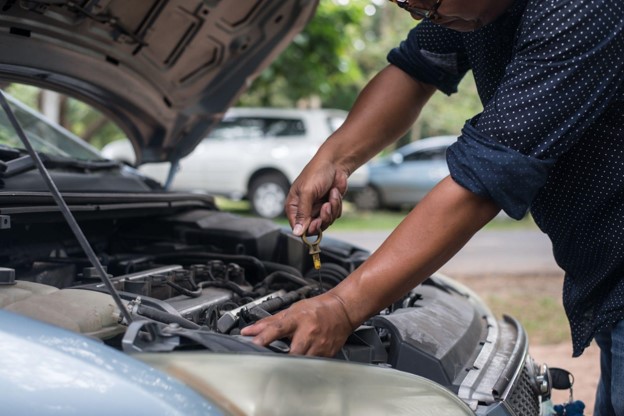
A test drive should still be part of the used-car buying process, but it shouldn’t be the only assessment.
During a test drive, you may be able to identify obvious issues such as:
However, some faults aren’t apparent during a short drive. A professional technician has the experience to identify warning signs that an average buyer may overlook.
A professional inspection isn’t necessarily about finding a reason to reject the vehicle. Sometimes, it can actually help you negotiate a better deal.
Say you find a used vehicle that is advertised at a price you consider reasonable. An inspection identifies worn tyres, brake components approaching replacement and a minor fluid leak.
Instead of discovering these issues after purchasing the vehicle, you now have information that can be used when discussing the price.
You may decide that the car is still worth buying, but negotiate based on the expected repair costs. Either way, the inspection might reveal significant problems that make the vehicle poor value.
Be cautious if a seller strongly discourages an independent inspection. A legitimate seller may be perfectly happy for you to have the vehicle inspected, particularly if they have confidence in its condition.
If you’re told that an inspection isn’t necessary because the vehicle has “just been serviced”, remember that a service and a pre-purchase inspection are not the same thing.
Likewise, a vehicle with a full service history can still have components that are worn or require attention.
If you’re spending thousands of dollars on a used vehicle, taking the time to arrange an independent inspection is worthwhile.
Professional inspections aren’t only for private sales. Dealership vehicles can also benefit from an independent assessment.
A dealership may provide information about the vehicle’s service history, condition and previous ownership, but an independent inspection gives you another perspective.
This can be especially valuable when purchasing an older vehicle or one with high kilometres.
An inspection gives you an opportunity to understand the vehicle’s current condition rather than relying solely on its sales description.
Ideally, arrange your inspection before you finalise the purchase. Don’t wait until after you’ve transferred the money and taken ownership.
If possible, have the vehicle inspected before making an unconditional commitment. This gives you the opportunity to:
The inspection should be considered part of your buying process rather than something to organise after you’ve already committed to the car.
One of the most important reasons to inspect a used car is to identify potential signs of previous damage. A vehicle may have been repaired after an accident and look perfectly presentable.
However, poor-quality repairs or underlying structural problems can affect the vehicle’s safety, handling and resale value.
An experienced mechanic can look for issues such as inconsistent panel gaps, unusual paint finishes, damaged components or other signs that warrant further investigation.
This can be particularly valuable when buying a privately advertised vehicle where you have limited information about its history.
High kilometres don’t automatically mean a car is a bad purchase. A well-maintained vehicle with higher kilometres can potentially be a better purchase than a poorly maintained low-kilometre vehicle.
However, as vehicles accumulate kilometres, components naturally experience wear. An inspection can help you understand whether the vehicle appears to have been maintained appropriately and whether major components are showing signs of wear.
This information can help you plan for future maintenance and determine whether the asking price is reasonable.

Some buyers hesitate to pay for an inspection because they want to keep their purchasing costs as low as possible. However, you can’t put a price on safety.
The cost of a professional inspection is relatively small compared with the potential cost of an engine, transmission or major suspension repair.
Even if the inspection confirms that the vehicle is in good condition, you’ve gained valuable peace of mind.
If your mechanic finds a serious issue, it could potentially save you thousands of dollars by preventing you from buying the wrong vehicle.
Buying a used vehicle should be exciting, not stressful. While no inspection can predict every future problem, having a qualified professional like Alexandria Automotive assess the vehicle can give you a better understanding of what you’re buying.
At Alexandria Automotive, we believe buyers should have the information they need to make confident decisions.
Whether you’re needing a car inspection in Alexandria, Erskineville, Redfern or Waterloo, arranging a professional assessment before purchasing can help you identify potential problems and avoid unpleasant surprises.
A used car can be one of the biggest purchases you make, so it’s worth doing your homework before committing.
The vehicle may look perfect, the seller may seem trustworthy and the price may appear too good to pass up. But without a professional inspection, you may not know what is happening beneath the bonnet.
An independent inspection can reveal mechanical concerns, identify potential safety issues and give you valuable information for negotiating the purchase.
Contact Alexandria Automotive on (02) 9699 8831 to arrange a professional inspection and take the uncertainty out of your next used-car purchase.
 Need Help?