-
ABN - 32615456561
MECHANICS LICENCE- MVRL53738
AIR CONDITIONING LICENCE- AU42871
- (02) 9699 8831
36-42 Henderson Road,
Alexandria, New South Wales, Australia
ABN - 32615456561
MECHANICS LICENCE- MVRL53738
AIR CONDITIONING LICENCE- AU42871
36-42 Henderson Road,
Alexandria, New South Wales, Australia
Car repairs can be expensive, especially when smaller issues are ignored for too long. What often starts as a minor warning sign, such as slightly low oil, uneven tyre wear, or a strange noise, can quickly escalate into a major mechanical failure.
The good news? Most costly repairs are preventable with regular maintenance and a bit of attention to how your vehicle is running. As well as saving money, regularly maintaining your vehicle also improves safety, fuel efficiency, and the overall lifespan of your car.
This blog will look at some of the most important preventative maintenance strategies that can help you save money and prolong the life of your vehicle.
Modern vehicles are built for safety and enhanced driving, but they are also more complex. Today’s engines rely on precise electronic systems, specifically engineered components, and carefully balanced fluids and pressures. So, when one part starts to fail, it places enormous stress on others.
Preventative maintenance is about identifying and fixing small problems before they escalate. It’s common knowledge that replacing a worn timing belt is far cheaper than repairing an engine after it fails. Keeping tyres properly inflated can also prevent uneven wear and improve fuel economy.
Preventative maintenance works because it breaks this chain reaction early. Instead of waiting for a breakdown, you identify and fix small issues before they spread.
Regular servicing is the most important aspect of preventative maintenance. Most manufacturers recommend servicing every 10,000 to 15,000 kilometres, or once a year. During a service, your mechanic checks essential systems such as the engine, brakes, suspension, and fluids.
Avoiding services might not cause immediate problems, which is why many drivers delay them but, this is where long-term damage often begins. Small leaks, worn belts, or declining fluid quality can go unnoticed until they cause serious mechanical failure.
A regular service ensures that minor wear and tear is addressed early before it leads to expensive damage. It also helps maintain resale value, as a well-documented service history is highly attractive to future buyers.
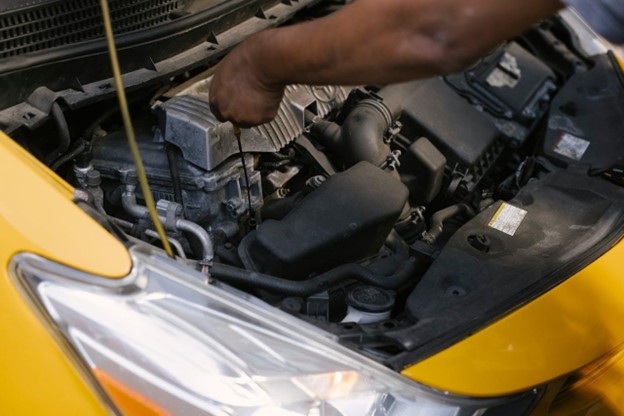
Engine oil is essential for keeping your engine properly lubricated and preventing it from overheating. It reduces friction between moving parts, allowing the engine to run smoothly and efficiently.
Over time, engine oil naturally breaks down due to heat, pressure, and contamination, making it less effective at protecting the engine. Driving with old, dirty, or low oil can lead to serious engine damage.
Without proper lubrication, internal components can wear down quickly, overheat, or even seize completely. These types of failures are often extremely expensive to repair and, in some cases, may require a full engine rebuild or replacement. That’s why it’s important to regularly check your oil level and change it according to the manufacturer’s recommended service intervals.
Regularly checking your oil level and changing it at recommended intervals helps ensure your engine remains protected, running efficiently, and avoids expensive engine repairs.
Tyres are your car’s only point of contact with the road, which makes their condition critical for both safety and performance. When tyres are underinflated, they create more rolling resistance, which increases fuel consumption and causes uneven wear across the tread.
On the other hand, overinflated tyres reduce the amount of surface area in contact with the road, which can negatively affect grip, braking performance, and overall safety. Worn tyres further increase these risks by significantly increasing stopping distances, particularly in wet or slippery conditions.
Checking your tyre pressure at least once a month helps ensure they remain at the correct level, while rotating tyres periodically promotes even wear across all four wheels. These simple habits not only improve safety and handling but also help you get the most value out of your tyres before they need replacing.
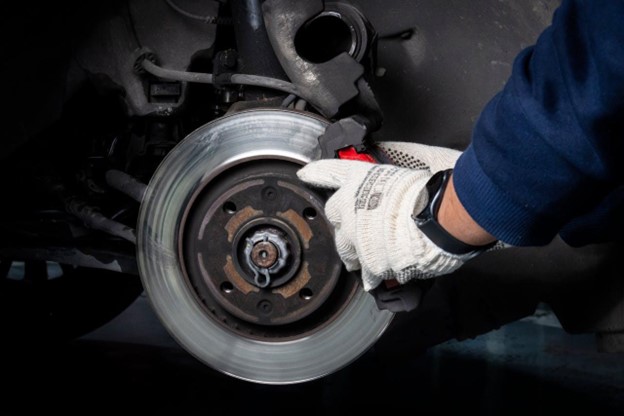
Brakes naturally wear down over time, but ignoring the early warning signs of wear and tear can quickly lead to more serious and costly issues. Sounds like squealing or grinding, as well as reduced responsiveness when braking, are clear indicators that your brake pads or rotors may need attention.
Replacing worn brake pads can prevent damage to the rotors, which are significantly more expensive to repair or replace. Aside from the cost of replacing them, your braking system is one of the most important safety features in your car.
Driving around with worn brake pads not only increases expenses but also puts you and others at risk. Getting on top of worn brakes right away ensures your car remains safe and reliable on the road.
Filters play an important role in protecting your vehicle by preventing dirt, dust, and debris from entering key systems. A clogged air filter can restrict airflow to the engine, reducing efficiency and overall performance. A blocked fuel filter can interfere with fuel delivery, leading to poor acceleration, rough running, and decreased fuel economy.
While these components are relatively inexpensive to replace, neglecting them can put unnecessary strain on the engine and lead to more costly repairs.
Regularly replacing your filters ensures your engine can “breathe” properly and operate at its best. Clean filters allow the right balance of air and fuel to flow through the system, which is essential for fuel efficiency, reduced engine strain, and smooth performance.
Dashboard warning lights are designed to alert drivers of issues that arise in your, helping you catch problems before they turn into serious damage. They’re your car’s way of telling you that something isn’t quite right, even if everything seems to be running normally.
A light on the dashboard can signal anything from low fluid levels to engine or braking system concerns. Ignoring these lights and continuing to drive without addressing the issue can worsen the problem over time.
Modern cars are fitted with advanced sensors and onboard diagnostics, allowing mechanics to quickly identify the cause of a warning light. This means issues can often be resolved early, before they lead to major component failure.
Your car’s cooling system prevents your engine from overheating and maintains a stable operating temperature. When it stops working properly, heat can build up quickly and cause serious internal damage.
Issues like low coolant levels, leaks, a worn water pump, or a faulty radiator can all compromise the system. Even a small leak or gradual coolant loss can escalate if it isn’t addressed early. Regularly checking coolant levels and condition, along with flushing and replacing it according to your vehicle’s service schedule, helps keep the system working efficiently.
It’s also important to watch for warning signs such as rising temperature gauges, coolant smells, or visible leaks under the car. Addressing these early can prevent much larger problems.
Car batteries typically last around 3–5 years, but their lifespan can be shortened by everyday habits and lack of maintenance. Factors like corrosion on the terminals, frequent short trips that don’t allow the battery to fully recharge, or accidentally leaving lights and electronics on can all lead to a flat battery.
Regularly checking your battery for corrosion, ensuring the terminals are clean and secure, and having the charging system checked can help keep everything functioning properly. If your car is slow to start or electrical components seem weaker than usual, it may be an early sign the battery is losing strength.
Replacing a battery is relatively inexpensive, especially compared to the hassle of being stranded or the potential for damage to your vehicle’s electrical system. Your local auto electrician in Redfern can inspect your battery for you.
Just like warning lights, unusual noises or smells are often early indicators that something isn’t right with your vehicle. Cars rarely develop serious problems, unless it’s a manufacturer’s fault, without first giving some kind of warning.
Sounds like knocking, squealing, or grinding can point to issues such as worn brake components, loose belts, or engine trouble. Likewise, burning smells may indicate overheating parts, leaking fluids, or electrical problems that need immediate attention. Even if the issue seems minor at first, these signs shouldn’t be ignored.
Paying attention to changes in how your car sounds, feels, or smells can help you identify problems early.
Your driving habits have a big impact on vehicle wear and tear. Hard acceleration, sudden braking, and generally rough driving place unnecessary strain on key components like the engine, brakes, and suspension. Over time, this added stress accelerates wear and can lead to more frequent repairs and higher maintenance costs.
Driving smoothly and responsibly helps extend the life of these components, improves fuel efficiency, and reduces the likelihood of unexpected issues. It also supports safer driving habits, which can help keep your driving record clean and avoid unnecessary penalties.
Speeding and reckless behaviour don’t just increase the risk of serious injury or death they can also become expensive very quickly. Fines, higher insurance costs, and potential repairs from avoidable incidents all add up.

Preventative maintenance is one of the easiest and most effective ways to avoid costly car repairs. While many major mechanical problems don’t just happen suddenly, they tend to start off as small, manageable issues like worn belts, low fluids, or minor leaks that go unnoticed or are put off.
Staying on top of routine servicing (such as oil changes, brake inspections, tyre rotations, and fluid checks) helps to keep your vehicle running efficiently and safely. It also allows mechanics to spot early warning signs before they turn into serious (and expensive) failures.
To ensure your car is in good driving condition, get in touch with Alexandria Automotive Services and book a service. We offer car repairs in Waterloo, Redfern, Alexandria and beyond.
 Need Help?